
Your best photography, menu highlights, and reservation path should land in view before attention drops.
Chattanooga Restaurant Web Design
A restaurant website should fill tables, sell takeout, and capture private dining leads before the guest looks elsewhere.
In Chattanooga, a dining decision often happens on a phone while someone is downtown, near North Shore, leaving an event, or comparing brunch spots. Your website has a few seconds to make the next step obvious. We design restaurant websites that help guests pick the place, trust the experience, and book.
Menus that read fast No PDFs, no squinting, no dead ends.
Reservations in the right places Guests should never wonder what to tap next.
Private dining that gets found High-value inquiries need their own path.
Best fit: independent restaurants, chef-driven concepts, bars, hospitality groups, brunch spots, and operators who need the website to do more than look polished.
Built for direct action
Menu. Reserve. Private dining. The site should answer the first three guest questions without making them hunt.
Mobile-first intent
Designed for downtown, event-night, and neighborhood traffic. Fast choices matter more than pretty dead ends when the guest is ready to decide.
Site review lens
We rebuild restaurant pages around the moments that decide the visit.
Menu clarity, reservation confidence, private dining visibility, and local search alignment all have to feel immediate if the site is going to behave like a real revenue channel.
The website should reinforce what guests saw in Google Maps and move them straight into booking, ordering, or calling.
Private events, catering, chef tables, and gift cards need visible paths instead of a generic footer link.
Where restaurant sites leak revenue
Most restaurant websites look fine in a meeting and underperform on a Friday night.
The guest is not grading your design system. They are deciding whether your place feels easy, current, and worth choosing right now. If the path to the menu, reservation, phone number, or private dining page feels clumsy, the click does not wait around.
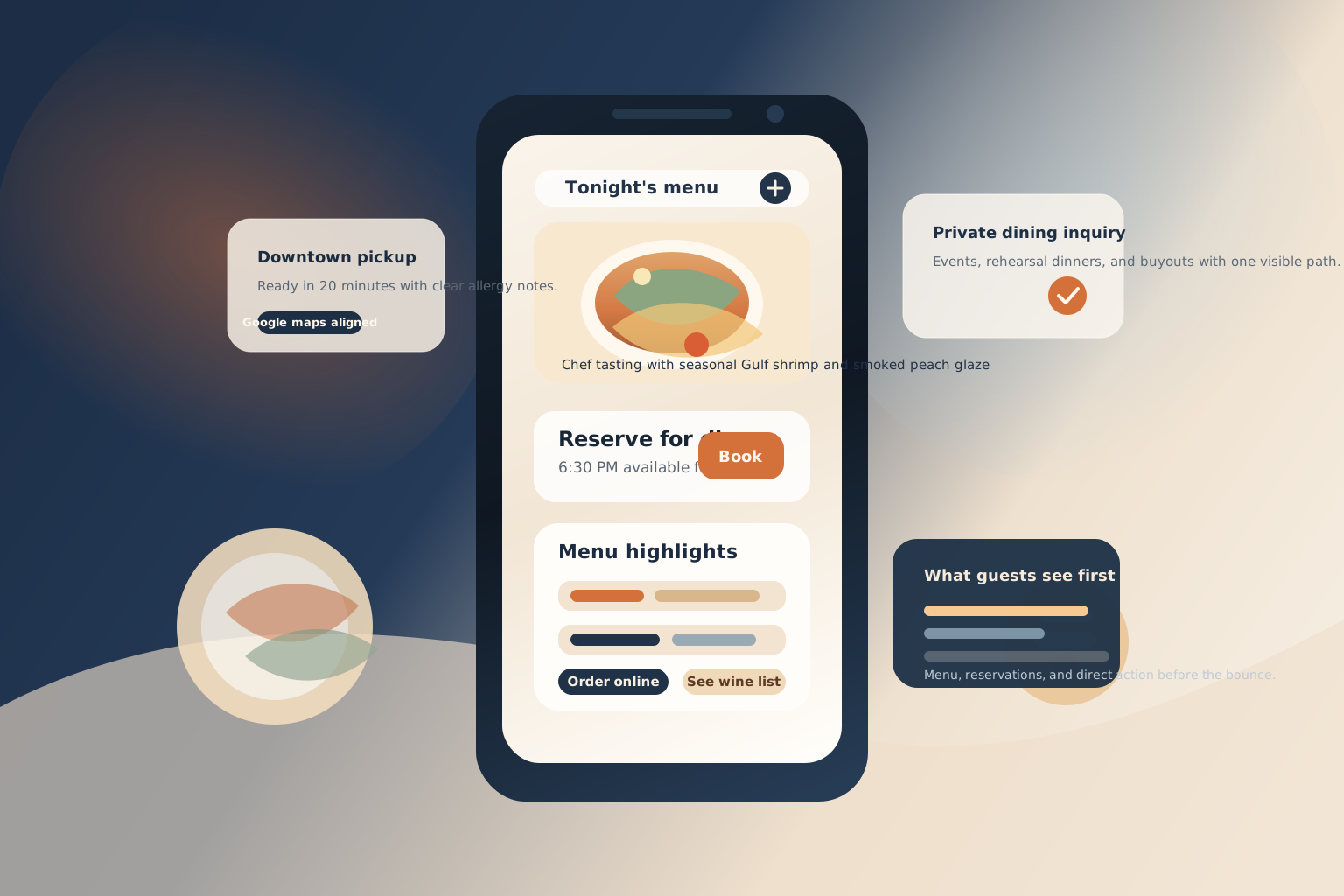
Menus that fight the guest
If the menu is still a pinch-zoom PDF, diners bounce before they ever decide what to order.
Reservation dead ends
When booking links are hard to find or break the flow on mobile, a guest picks the next restaurant with less friction.
Private dining leads leak out
Group dinners, rehearsal dinners, and buyout inquiries disappear when there is no clear path to ask for details.
Local search does not match the site
Reviews, photos, hours, ordering, and the website have to feel aligned or the click loses trust fast.
What we build into the site
Restaurant website design should make the next action obvious in every shift.
Lunch traffic behaves differently than date-night traffic. Private dining behaves differently than quick takeout. The site structure should account for those moments so guests do not have to think harder than necessary.
Mobile-first menu pages
Readable menus, seasonal updates, dietary callouts, and photo blocks that work on a phone in one glance.
Reservation and ordering flow
The next step stays obvious whether the guest wants a table, takeout, gift cards, or directions.
Private dining capture
Dedicated event pages, inquiry forms, and polished detail blocks for group dining and special occasions.
Conversion-focused page structure
Every section earns its place by helping a guest decide, trust the experience, and take action faster.
Built for local search behavior
Chattanooga diners search by neighborhood, mood, and convenience.
If someone is leaving a game, comparing spots near the river, looking for brunch, or planning a group dinner, your site should support that decision immediately. The local details need to feel aligned across search, maps, reviews, photos, and the website itself.
Downtown ChattanoogaNorth ShoreSouthsideSt. ElmoLookout Mountain visitorsUTC and event traffic
Neighborhood intent
Copy and page structure can support how people compare Downtown, North Shore, Southside, and nearby event traffic.
Google profile alignment
Hours, photos, menu links, and calls to action should match what diners see in Maps and search results.
Event-night readiness
Busy nights, weekend brunch, private events, and hotel traffic need faster answers, cleaner directions, and less guesswork.
Repeat-guest momentum
Gift cards, private dining, waitlists, email capture, and loyalty hooks should support revenue beyond the first visit.

What better restaurant web design changes
Your site stops acting like a brochure and starts acting like a host.
Better restaurant web design is not about adding more sections. It is about reducing hesitation, giving guests the confidence to choose you faster, and making the high-value paths visible before the click cools off.
More direct reservations
Guests get to the table-booking step without hunting through the page.
Cleaner takeout and delivery paths
Ordering links and menu decisions stay clear when intent is high and time is short.
Better event and catering inquiries
Private dining stops being an afterthought and starts getting its own conversion path.
Stronger trust before the first visit
Photos, reviews, hours, and page experience reinforce the choice instead of creating doubt.
Impact framework
What a premium restaurant page has to do in a few seconds.
A polished brand is not enough if the menu takes too long, the reservation path disappears, or private dining still feels buried. The page has to move people from curiosity to confidence fast.
3
taps to the next step
Menu, reservations, and direct contact should feel immediate on a phone, not hidden behind extra decisions.
24/7
local search decision window
Guests compare restaurants after events, between meetings, at hotel check-in, and whenever the craving hits.
1
aligned guest journey
Maps, reviews, photos, menu links, and the website should feel like the same brand from the first click.
FAQ
Questions Chattanooga restaurant owners ask before a rebuild
What should a Chattanooga restaurant website prioritize first?
Start with the things that decide the visit fastest: mobile menu clarity, visible reservations or ordering, accurate hours and location details, and a clean path for private dining or group inquiries.
Can you work with the reservation or ordering platform we already use?
Yes. We design the site around the tools you already rely on when possible, then make the handoff feel cleaner so guests do not hit a confusing dead end when they are ready to book or order.
Do restaurant websites really need dedicated private dining pages?
If private dining, rehearsal dinners, catering, or buyouts matter to revenue, yes. Those leads are too valuable to hide behind a generic contact page.
How is this different from a generic restaurant template?
A template gives you a look. A conversion-focused restaurant site is built around how diners actually choose a table: menu first, vibe second, logistics third, action immediately after.
Is this only for full-service restaurants?
No. The same conversion logic helps bars, brunch concepts, cafes, chef-driven spots, hospitality groups, and any restaurant that depends on direct bookings, takeout, or event inquiries.
Next step
Want to know what is costing you clicks, calls, and covers right now?
Send the restaurant and the current website. We will show you where the friction is and what needs to change first.
Menu clarity audit
We look at how fast a guest can read the menu, spot dietary details, and move into ordering or reservations.
Reservation-path cleanup
We identify dead ends around booking, gift cards, private dining, takeout, and contact actions.
Local search alignment
We compare the site against what diners see in Google Maps, reviews, photos, and neighborhood-based searches.
Request a restaurant site review
We will look at the site, the menu flow, the reservation path, and the trust gaps that make diners bounce before they choose you.